AFDD – The Best Way to Protect Yourself from Fire Hazards Caused by Electrical Faults

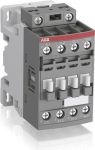
AFDD devices from ABB brand in our warehouse!
Today, when safety and protection technologies are highly developed and widely accessible, the high number of fires caused by faults in electrical installations and devices is unacceptable. One of the key devices for ensuring electrical safety is the AFDD (Arc Fault Detection Device).
In Latvia, this technology is still relatively new and not well known, so let’s explore the frequently asked questions and debunk common myths.
AFDDs are devices designed to detect arc faults in electrical circuits. They analyze current and voltage characteristics to identify arc faults and automatically disconnect the circuit, isolating the damaged area.
AFDDs are recommended for protecting SCHUKO socket circuits in:
1. Myth: AFDDs are only needed for old electrical installations.
Reality: AFDDs protect not only against aging cables but also damage caused by improper use, repairs, or installation—e.g., rodent damage, punctured insulation, crushed cables, worn insulation, and loose connections.
2. Myth: AFDDs are unnecessary for parallel arc faults (L-N) because MCBs can detect them.
Reality: It depends on the strength of the arc. MCBs require a much higher current to trip than what could ignite flammable materials. AFDDs detect high-resistance faults like damaged insulation, while MCBs work for low-resistance faults like short circuits.
3. Myth: AFDDs prevent all fires caused by electrical faults.
Reality: AFDDs detect and disconnect dangerous arc faults that other protective devices can’t. They are an additional layer of protection, not a universal solution.
4. Myth: AFDDs are expensive.
Reality: This relatively new technology is more costly than standard protective devices due to the microchip with an embedded algorithm, but the value of safety outweighs potential losses.
5. Will AFDD react to any arcing?
No! Arcing is a normal part of operation for many household devices. The microchip inside the AFDD distinguishes between dangerous arcs and normal device operation, so it won’t disconnect unnecessarily.
6. How fast does an AFDD trip?
The disconnection time depends on the arc current strength and ranges from 120 ms to 2 seconds, as defined by the IEC/EN 62606 standard.
7. Why is the minimum tripping current of AFDD higher than RCD?
Because AFDDs and RCDs detect different types of faults.
AFDD and Fire Prevention
More than 30% of building fires are caused by faults in electrical installations. AFDDs are sensitive devices that detect dangerous arc faults that go unnoticed by standard circuit breakers and RCDs. They are especially important in buildings made from flammable materials, like wooden and modular homes.
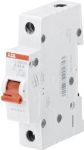
ABB AFDDs
ABB offers a range of AFDD models that provide a high level of safety and comply with IEC/EN 62606. These devices help reduce fire risk and ensure maximum protection.

 Cables and wires
 Installation
 Automatics and control
 Lighting
 Renewable energy
 Tools
Tools
 Power tools and accessories
 Industrial products
 Lightning protection
 Insulating materials and chemistry
 Heating and ventilation
 Computers and Telecommunications
 Work wear and accessories
 Consumer electronics
 Smart Home
 For garden, leisure and tourism

View and track all your orders and download invoices.

Meet your personal company representative who is easy to communicate with.

Get additional discounts just by registration.

Save your most frequently ordered items to place your next order even faster.
View and track all your orders and download invoices.
Meet your personal company representative who is easy to communicate with.
Get additional discounts just by registration.
Save your most frequently ordered items to place your next order even faster.


 Cables and wires
Installation
Cables and wires
Installation














 Automatics and control
Lighting
Automatics and control
Lighting














 Renewable energy
Tools
Renewable energy
Tools




 Power tools and accessories









 Industrial products
Lightning protection
Insulating materials and chemistry
Heating and ventilation
Computers and Telecommunications
Industrial products
Lightning protection
Insulating materials and chemistry
Heating and ventilation
Computers and Telecommunications









 Work wear and accessories










 Consumer electronics

































 Smart Home
For garden, leisure and tourism
Smart Home
For garden, leisure and tourism
 +371 66 77 88 20
 b2b@elektrika.lv